Shopping / Markets
Shopping in Jaisalmer: Bazaars & Buys
What to buy in Jaisalmer — camel leather, fossil stone, mirror work — which bazaar sells what, fair price bands, and how to dodge commission traps.
Rina Bhati
Local Culture Reporter
4 min read
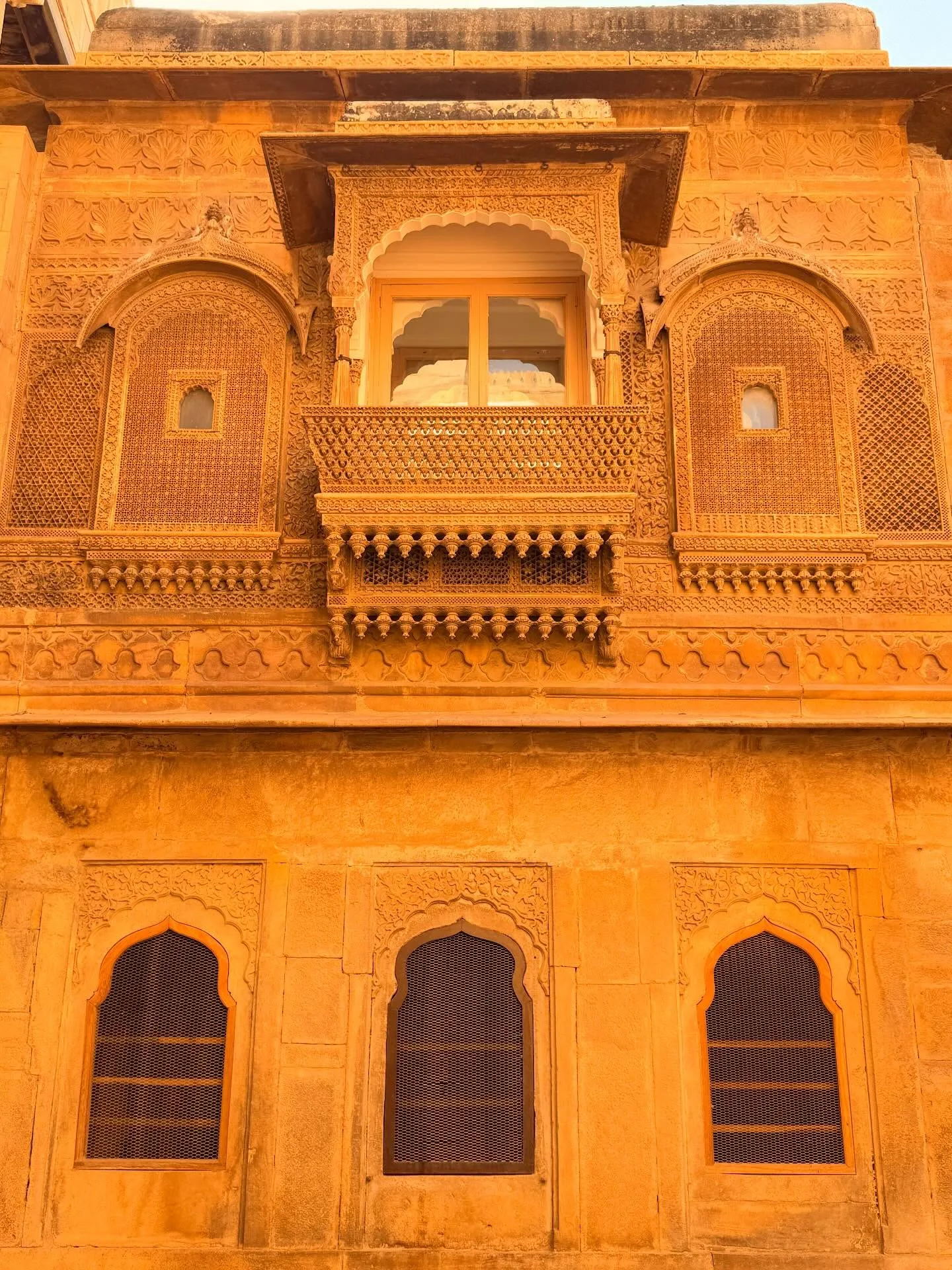
Shopping in Jaisalmer means choosing real desert craft over souvenir noise: camel leather, carved yellow sandstone, fossil stone crockery, and mirror-work textiles. Fair bands sit roughly Rs 250–600 for a leather journal, Rs 350–800 for a fossil stone cup, and Rs 600–2,500 for a mirror-work wall hanging (checked Sep 2026).
The city's shopping runs through Sadar, Manak Chowk, Pansari, and Bhatia Bazaar, each with a different specialty. Decide your budget and baggage space first, then browse across two or three stalls before paying.
What items are worth buying in Jaisalmer?
Camel leather goods — journals, bags, duffels, and mojari footwear — are worth the space when the hide shows natural grain without plastic coating. Carved yellow sandstone jharokhas and lamp holders make light, packable souvenirs cut from local golden limestone.
Habur (Abur) fossil stone bowls, cups, and tea sets carry distinct brown fossil swirls, and local lore says the mineral bowl turns milk to curd overnight. Mirror-work tapestries and bandhani silk dupattas come stitched by village women's cooperatives; check the backing for hand-sewing.
Who should not buy: travellers flying with hand luggage only should skip fossil stone tea sets and large sandstone lamps — they are heavy and fragile — and anyone who dislikes bargaining will pay over the bands above, because street quotes are conversation starters rather than fixed rates.
Which bazaar should you shop in for each item?
Sadar Bazaar is the general hub for textiles, leather, and spices; Manak Chowk, right at the fort entrance, leans to brassware, puppets, and embroidered bags. Pansari Bazaar is the old spice and dry-fruit market, and Bhatia Bazaar is where silk sarees and tailored jackets gather.
Inside the fort, narrow lanes hold carver stalls where you watch sandstone being cut. Fort-lane shopping pairs naturally with a fort walk, but heavy purchases become real weight on the stairs, so plan bag space. For navigation of the old market lanes, read our Jaisalmer shopping and bazaar guide.
What to Buy in Jaisalmer: Price & Bazaar Guide
| Item Category | Where to Buy | Fair Price Range | Authenticity Tip |
|---|---|---|---|
| Camel Leather Journal | Manak Chowk / Fort Stalls | Rs 250 – Rs 600 | Look for natural leather grain |
| Habur Stone Cup / Bowl | Fort Carvers / Sadar Bazaar | Rs 350 – Rs 800 | Distinct brown fossil swirl pattern |
| Mirror-Work Wall Hanging | Khadi Gramodyog / Village Stalls | Rs 600 – Rs 2,500 | Check for hand-sewn backing |
| Ghotua Laddoo (1 kg) | Dhanraj Ranmal Bhatia | Rs 450 – Rs 550 | Buy fresh from original Sadar Bazaar shop |
Fair price bands checked Sep 2026; quoted prices run +20-30% around Diwali and New Year. Bargaining is normal in street bazaars; compare three stalls before paying.
How do you bargain fairly in Jaisalmer?
Opening quotes in tourist lanes are conversation starters, not fixed rates. A respectful counter-offer of 20-30% below the quote is standard in unmetered street bazaars.
Compare the same item across two or three stalls first, since similar looks can hide large quality gaps. Ask what materials were used and whether the piece is machine-made or handmade.
Which shopping traps push Jaisalmer prices up?
The biggest one is the commission chain: auto drivers and unsolicited guides who steer you to authorized emporiums inflate prices by roughly 40% on identical goods. Browse those places for reference, then buy from an independent craftsman.
Antique claims need healthy skepticism without paperwork — for high-value items, ask for provenance or skip. Agree the final price in writing before you pay: ask the seller to write or print the total — cash, UPI, or card — check the amount against what you agreed, and pay only after the invoice matches. Keep the written record until you leave the stall.
Are Jaisalmer shops open on Sundays, and do they take cards?
Almost all tourist shops, bazaars, and emporiums open seven days a week. UPI works nearly everywhere; credit cards work at established textile and jewellery emporiums.
Peak-season evenings pack the lanes, so browse mid-morning when comparing is calmer. Keep shopping off your biggest day, because a market morning plus a full fort plus a desert transfer stacks badly.
Frequently Asked Questions
Are shops in Jaisalmer open on Sundays? Yes — tourist shops and bazaars operate seven days a week.
Do Jaisalmer vendors accept UPI and credit cards? UPI is accepted nearly everywhere; cards are taken at established emporiums.
What food specialty should I take home? Fresh Ghotua Laddoo from Dhanraj Ranmal Bhatia in Sadar Bazaar, about Rs 450–550 a kilo.
How much is a fair price for a camel leather journal? Roughly Rs 250–600 depending on size and stitching; compare stalls before paying.
Buy the things Jaisalmer actually makes — camel leather, fossil stone, mirror work — and buy them from an independent craftsman after comparing stalls. Skip anything sold as a guaranteed antique without paperwork.
Stick to the bands above and you will leave with real souvenirs, not commission-inflated stock. Go mid-morning, carry small change, and check every piece for natural grain, hand-sewn backing, or the fossil swirl before you pay.
Editorial voice
Rina Bhati
Local Culture Reporter
Local journalist covering tourism, food, and culture across western Rajasthan.
Observant and specific, with attention to the people and working life behind the visitor route.